
Applications
Our wonderful product development team has created each device with the idea of simplicity at its heart: high performance products that can be used by everyone.
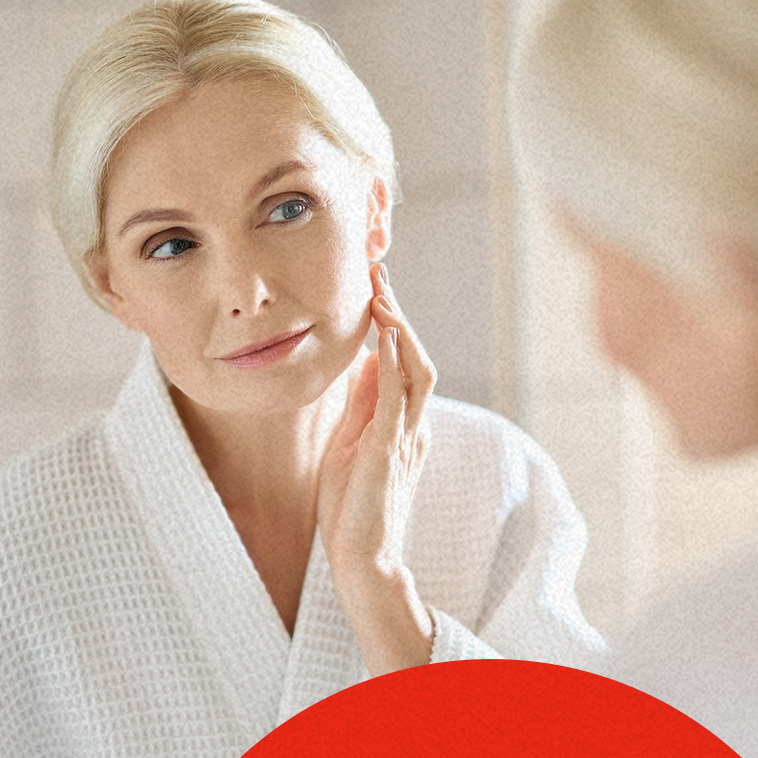
Skin Health
In terms of skin health, the red light therapy used by Viorelli has been shown to stimulate the production of collagen (a protein) and elastin, which are both essential for skin elasticity and firmness. Our red light therapy also helps to increase blood flow and reduce inflammation, which can help with a range of skin, ligament and joint issues.
When using red light therapy on the face, we generally recommended applying a skincare product beforehand. This can help to improve the absorption of light and enhance its effects. However, it's important to choose the right product and follow some guidelines:
- Choose a product that is free of chemicals, fragrances, and preservatives, as these can interfere with light absorption.
- Use a product that contains antioxidants or other skin-boosting ingredients.
- Apply the product in a thin, even layer, and allow it to fully absorb into the skin before using the red light therapy.
To begin, cleanse your face with a gentle cleanser and rinse thoroughly with lukewarm water. Allow the water to naturally air dry from your face, or pat it dry with a soft, absorbent towel. Avoid using a rough towel, which can cause enlarged pores, or rough or dry skin. Apply a serum where instructed.
Here's how red light therapy may benefit different skin conditions:
Acne: Red light therapy reduces inflammation and kills acne-causing bacteria, which can improve the appearance of acne-prone skin.
Wrinkles and fine lines: Red light therapy can increase collagen production, which can help to plump up the skin and reduce the appearance of wrinkles and fine lines.
Rosacea: Red light therapy may help to reduce redness and inflammation associated with rosacea, a skin condition characterised by redness and pimple-like bumps.
Sun damage: Red light therapy may help to reduce the appearance of sun damage, such as age spots and freckles, by stimulating the skin's natural repair processes.
We also use blue, green, yellow, purple, cyan and white light in some of our skin health devices. These are outlined in the information about each product, including the benefits you can experience from each one.
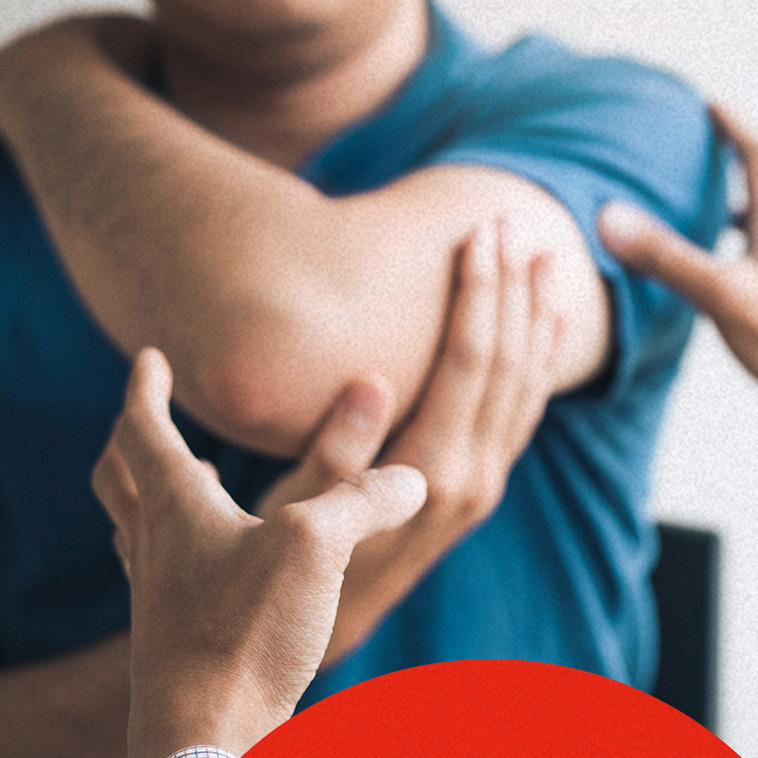
Healing Injuries
The red light therapy technology used by Viorelli has been shown to aid in injury recovery by promoting healing and reducing inflammation. When the red light is applied to the affected area, it penetrates the skin and stimulates the production of ATP, which is a molecule that provides energy to cells. This boost in cellular energy can help improve circulation, increase the production of collagen, and accelerate tissue repair.
Additionally, red light therapy has been shown to decrease inflammation by reducing the production of pro-inflammatory cytokines and increasing the activity of anti-inflammatory cytokines. This reduction in inflammation can help alleviate pain, swelling and stiffness associated with injuries.
One of the main ways that red light therapy works to reduce pain and inflammation is by increasing blood flow to the affected area. This increased circulation helps to deliver more oxygen and nutrients to the injured tissues, promoting faster healing and reducing inflammation.
Several studies have shown that red light therapy can be an effective treatment option for a range of conditions that involve pain and inflammation, such as arthritis, tendonitis, and carpal tunnel syndrome. In some cases, red light therapy may be used in combination with other treatments, such as physical therapy or medication, to enhance its effectiveness. Overall, red light therapy is a safe and effective modality for improving recovery time and reducing pain and inflammation in injured tissues.
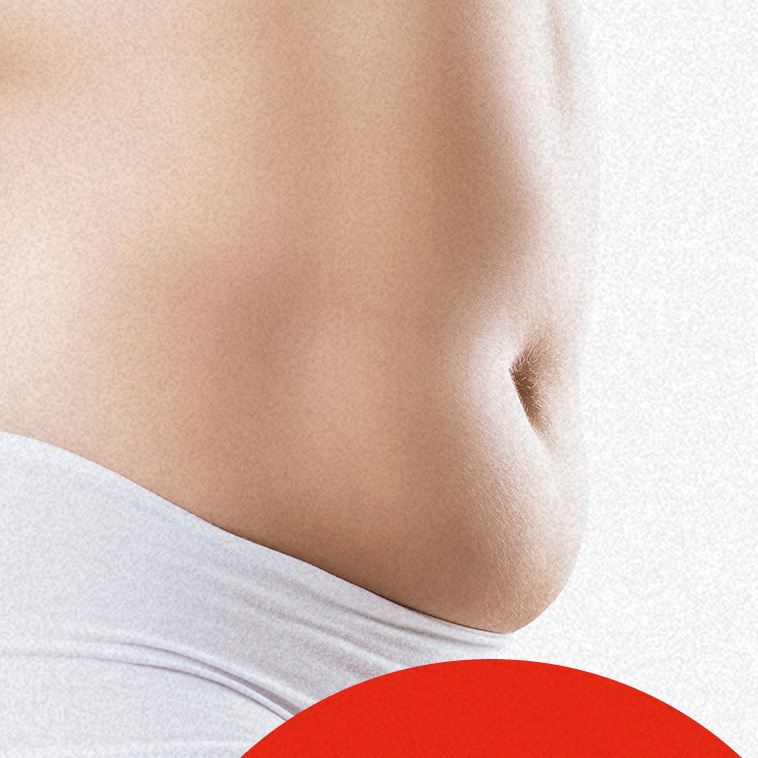
Weight Loss
Red light therapy provides a complementary approach to weight loss. It works by stimulating the mitochondria in fat cells, which promotes the release of fatty acids into the bloodstream. These fatty acids are then used by the body as a source of energy, thereby promoting weight loss. Additionally, red light therapy can increase metabolism by enhancing cellular energy production, which can further aid in weight loss.
In research, red light therapy has also been shown to reduce appetite and cravings by regulating the production of hormones involved in hunger, such as leptin and ghrelin. While red light therapy is not a substitute for a healthy diet and exercise, it may be a useful adjunctive therapy for weight loss efforts.
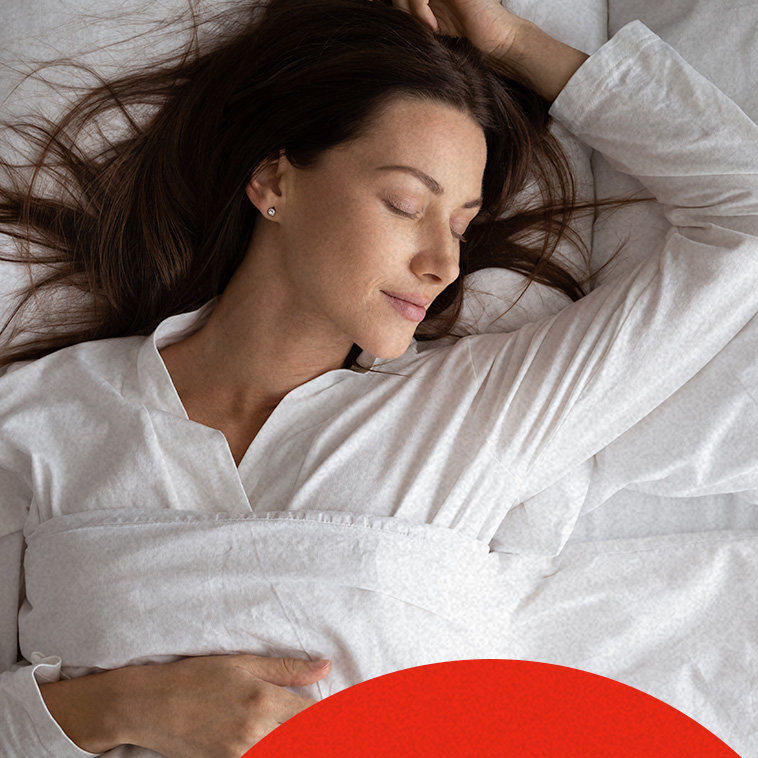
Sleep
One way red light therapy promotes sleep is by regulating the production of the sleep hormone melatonin. Exposure to red light in the evening has been shown to help maintain the body's natural circadian rhythm, thereby improving sleep-wake cycles.
Additionally, red light therapy has been found to lower cortisol levels, the stress hormone that can interfere with sleep. Lower cortisol levels help create a more relaxed state, making it easier to fall asleep and stay asleep throughout the night.
Furthermore, red light therapy can help alleviate conditions that disrupt sleep, such as chronic pain and inflammation. By reducing pain and inflammation, individuals can experience more restful sleep and wake up feeling refreshed. Improved sleep quality, in turn, can have a positive impact on overall health, as sleep plays a crucial role in immune function, cognitive performance, and emotional well-being.
Several research papers have been published, highlighting the benefits of red light therapy for sleep:
- Gál, P., et al. (2018). Can light therapy help improve sleep in patients with Alzheimer's disease? Medical Hypotheses, 119, 63-68.
- Ferraresi, C., et al. (2015). Low-level laser (light) therapy increases mitochondrial membrane potential and ATP synthesis in C2C12 myotubes with a peak response at 3-6 h. Photochemistry and Photobiology, 91(2), 411-416.
- Hennessy, M., et al. (2019). The effect of photobiomodulation on human sleep electroencephalogram: a pilot study. Sleep and Vigilance, 3(2), 95-101.
- Shechter, A., et al. (2018). Blocking nocturnal blue light for insomnia: a randomised controlled trial. Journal of Psychiatric Research, 96, 196-202.
- Zhao, J., et al. (2012). Red light and the sleep quality and endurance performance of Chinese female basketball players. Journal of Athletic Training, 47(6), 673-678.